
- Collect real questions from sales, inboxes and search
- Break the journey into awareness, consideration, trust, action and retention
- Create content assets for major questions at each stage
- Connect CTAs and lead capture into a continuous flow
Why this matters to the business
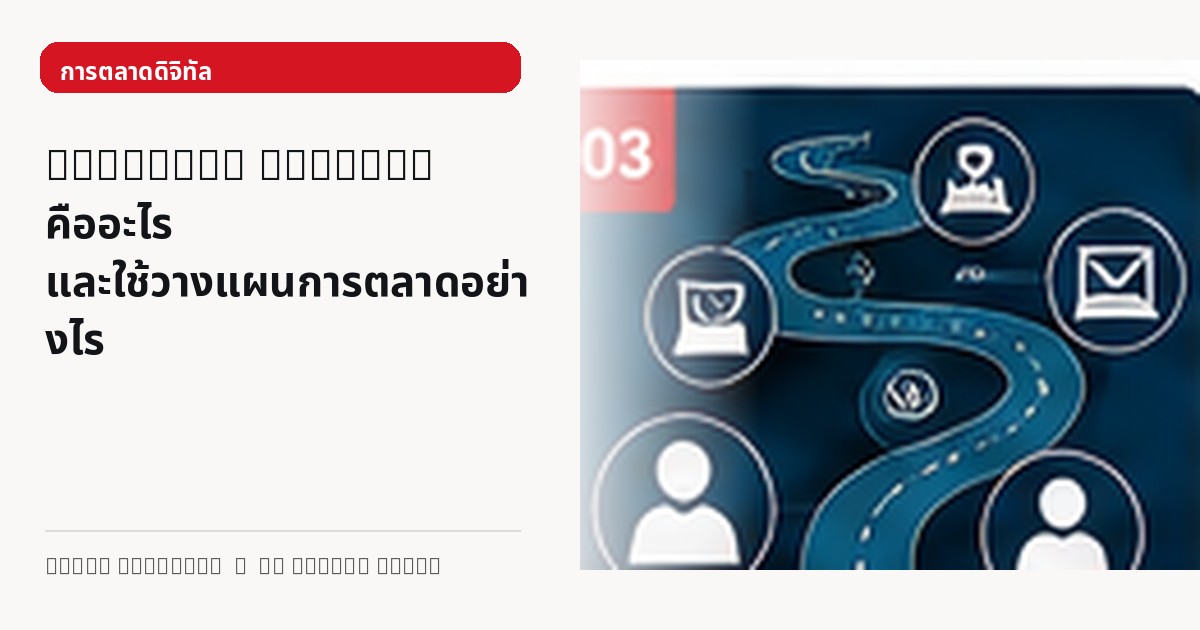
A customer journey maps the steps people take from recognizing a problem to discovery, comparison, trust, contact, purchase and retention. Planning around the journey gives each channel a clear job.
Customers rarely move in a perfect line. Some see social content then search Google; others revisit reviews repeatedly. A journey is a decision model for the team, not a rigid path every customer follows.
A practical framework before execution
Use the journey to match customer questions with content, channels and CTAs at each stage, then define events to measure so marketing does not stop at post counts or clicks.
The important point is to avoid treating this as an isolated task. Connect it to business goals, ownership, available data and the steps before and after the customer or internal workflow. Once that context is clear, tool and channel decisions become easier and unnecessary investment is reduced.
Recommended implementation steps
1. Collect real questions from sales, inboxes and search — Assign an owner and a clear definition of done, then collect enough data to review the next iteration.
2. Break the journey into awareness, consideration, trust, action and retention — Assign an owner and a clear definition of done, then collect enough data to review the next iteration.
3. Create content assets for major questions at each stage — Assign an owner and a clear definition of done, then collect enough data to review the next iteration.
4. Connect CTAs and lead capture into a continuous flow — Assign an owner and a clear definition of done, then collect enough data to review the next iteration.
5. Measure drop-off between stages and improve bottlenecks — Assign an owner and a clear definition of done, then collect enough data to review the next iteration.
How to measure progress
Do not try to measure everything at once. Choose outcome metrics plus diagnostic metrics that explain why performance changed. Useful examples include: Stage conversion rate, Time to conversion, Assisted conversions and return visits.
Define comparison periods and metric definitions clearly—for example what qualifies as a lead and when a conversion is counted—so marketing, sales and leadership interpret the same numbers consistently.
Common mistakes
• Mapping the journey from the company’s perspective instead of the customer’s
• Creating polished personas without real evidence
• Having no owner for lead handoffs
These mistakes are often caused not by poor effort but by unclear scope, ownership and inputs. The fix should return to the decision system rather than immediately adding tools or volume.
A practical next step
Start with one journey for the main product or service, gather real data for 30–60 days, then branch into audience- or channel-specific paths.
Start with a pilot small enough to complete but large enough to measure. Establish a baseline, collect feedback from real users and schedule review cycles. This lets the business learn quickly without locking itself into an unproven plan or technology.
Mapping the journey from the company’s perspective instead of the customer’s
Creating polished personas without real evidence
Having no owner for lead handoffs